The Illustrated London News 1950
The Korean War
and the British involvement as reported by
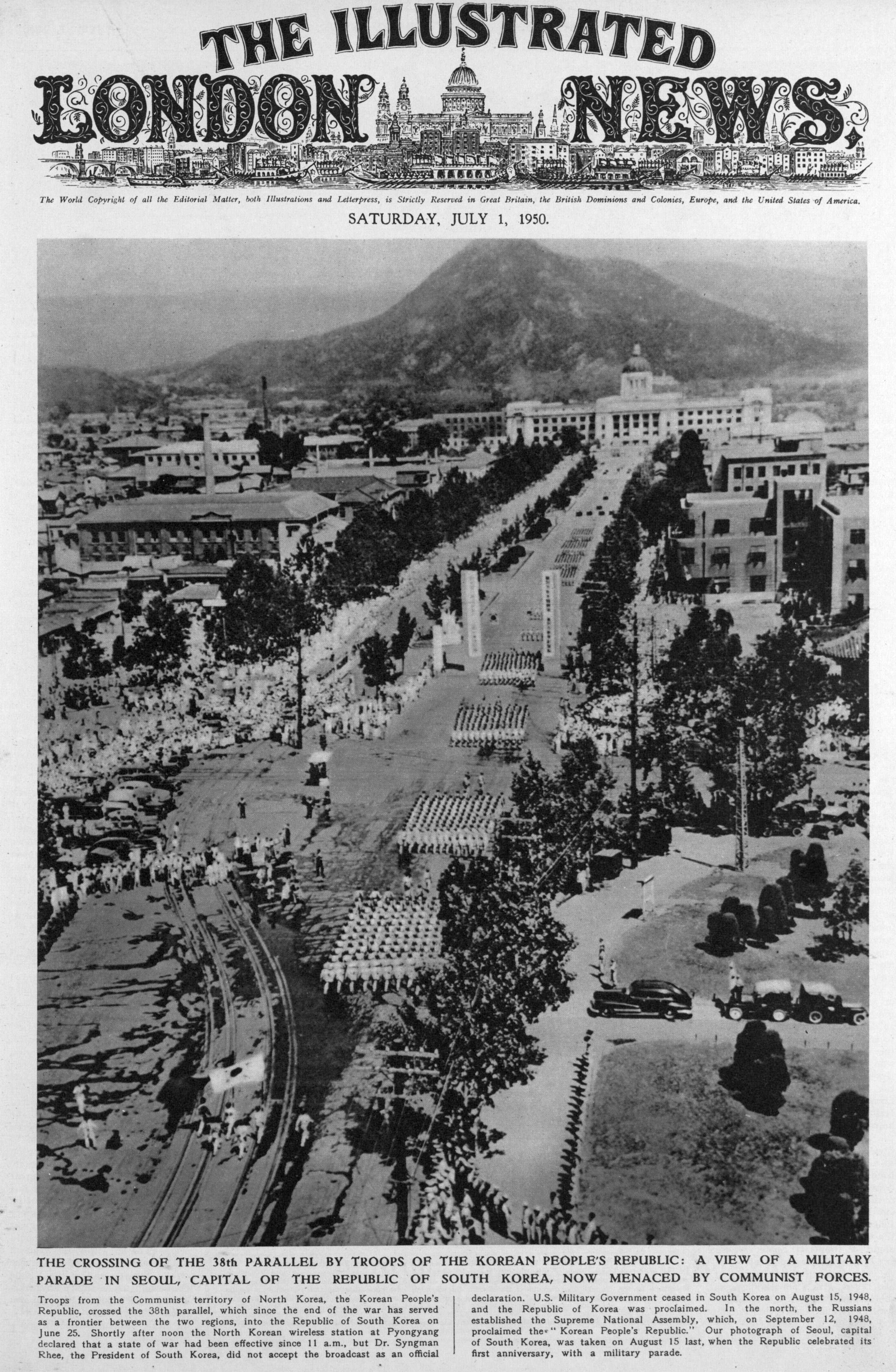
The Korean War began on June 25, 1950, when North Korean forces invaded South Korea. (July 27th 1953 it ended )
The conflict arose from the division of Korea after World War II, with the Soviet Union occupying the north and the United States occupying the south.
The invasion by North Korea, led by Kim Il-sung, aimed to reunify the Korean Peninsula under communist control.
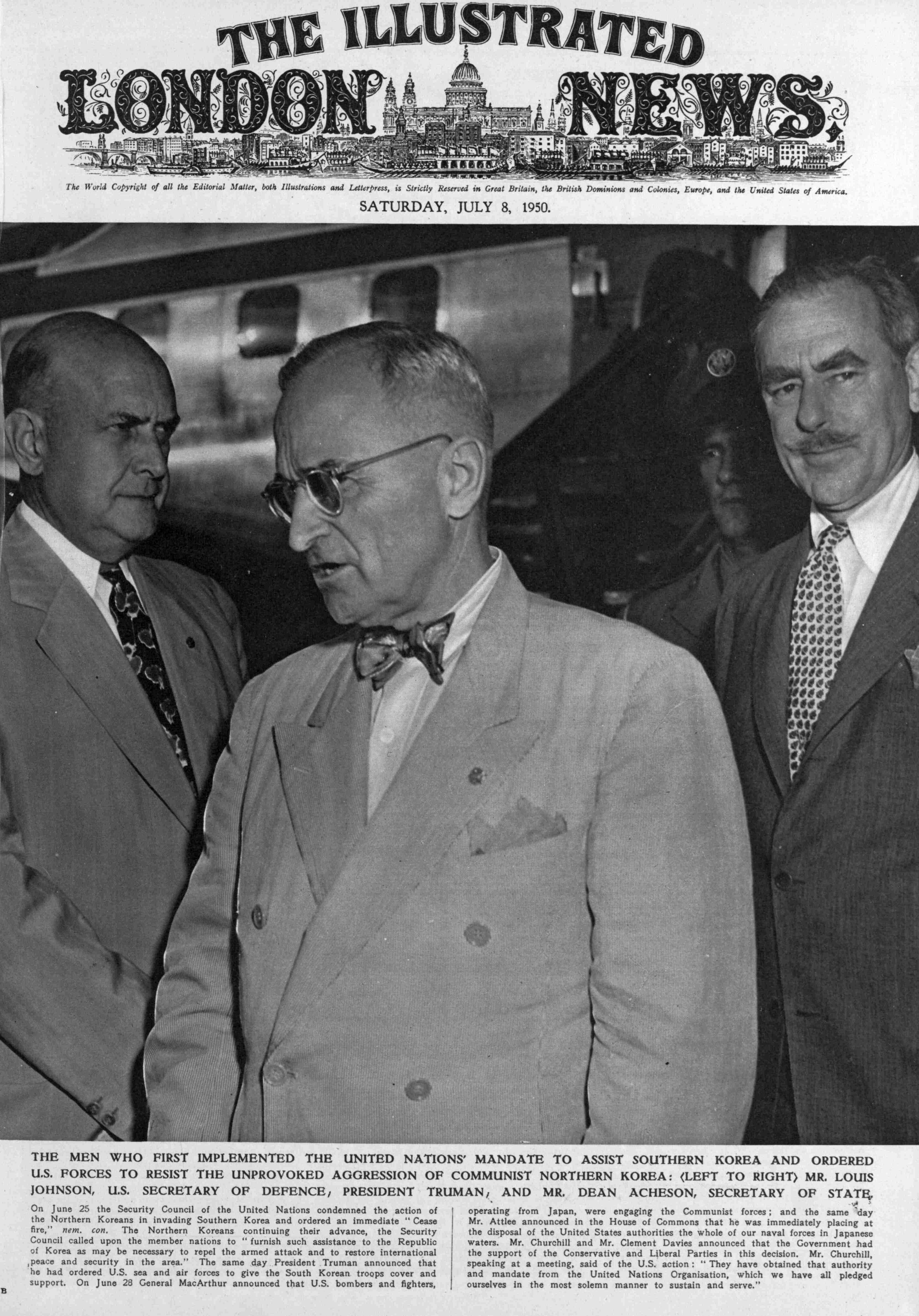
The United Nations (UN) Security Council responded to the invasion by passing a resolution calling for a collective military response to repel the aggression.
The UN forces, primarily composed of troops from the United States and other nations, intervened to support South Korea.
The British Commonwealth also contributed forces to the UN effort.
The British involvement in the Korean War included the deployment of the British Army, Royal Navy, and Royal Air Force.
British ground forces, known as the British Commonwealth Forces Korea (BCFK), fought alongside other UN forces to defend South Korea.
The conflict saw intense battles, including the famous Battle of Imjin River in April 1951, where British and Commonwealth forces faced overwhelming Chinese attacks.
The Korean War lasted until July 27, 1953, when an armistice agreement was signed, leading to a ceasefire.
The Korean Peninsula remained divided along the 38th parallel, and a formal peace treaty was never signed.
The conflict had significant geopolitical implications and marked a key episode of the Cold War.
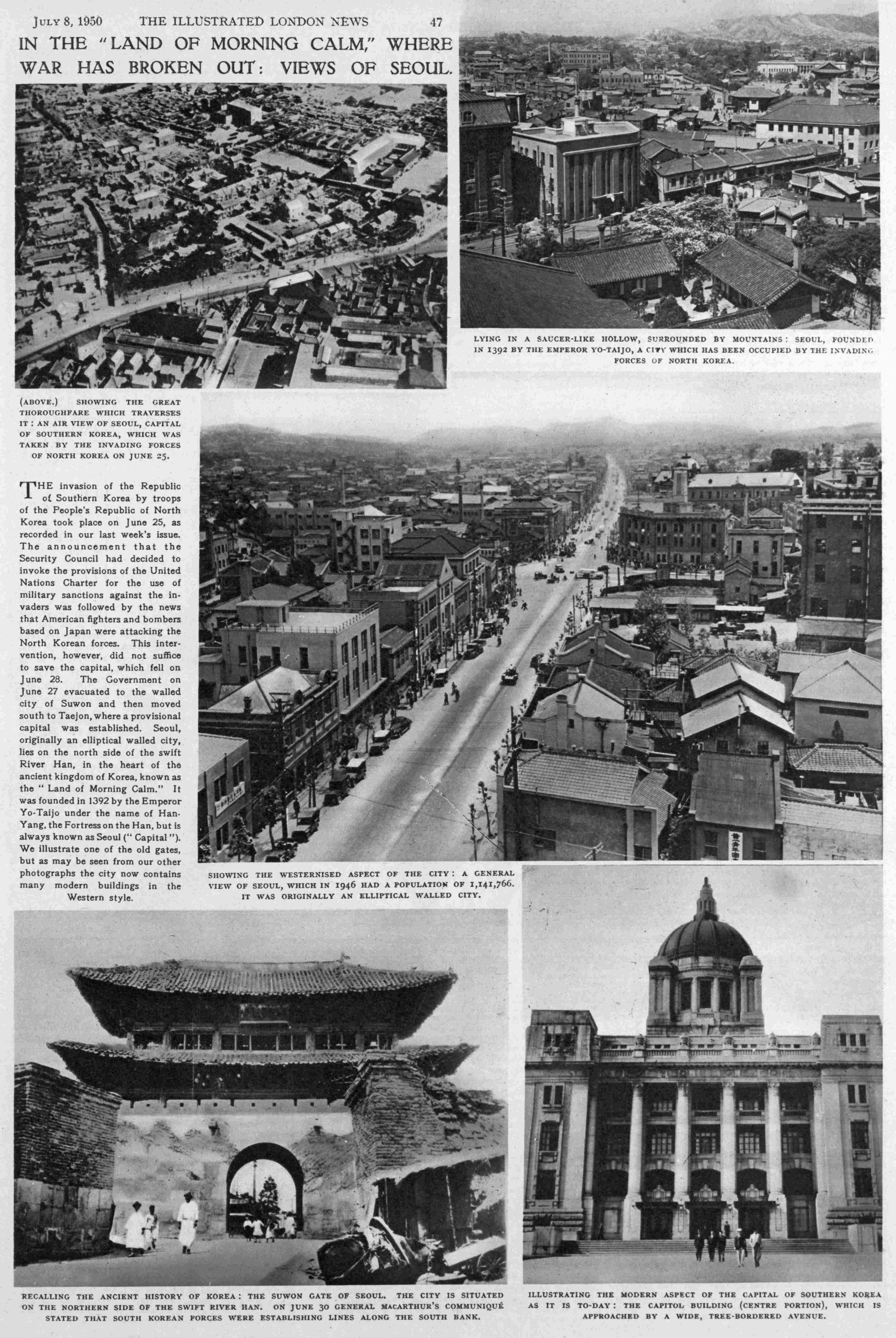
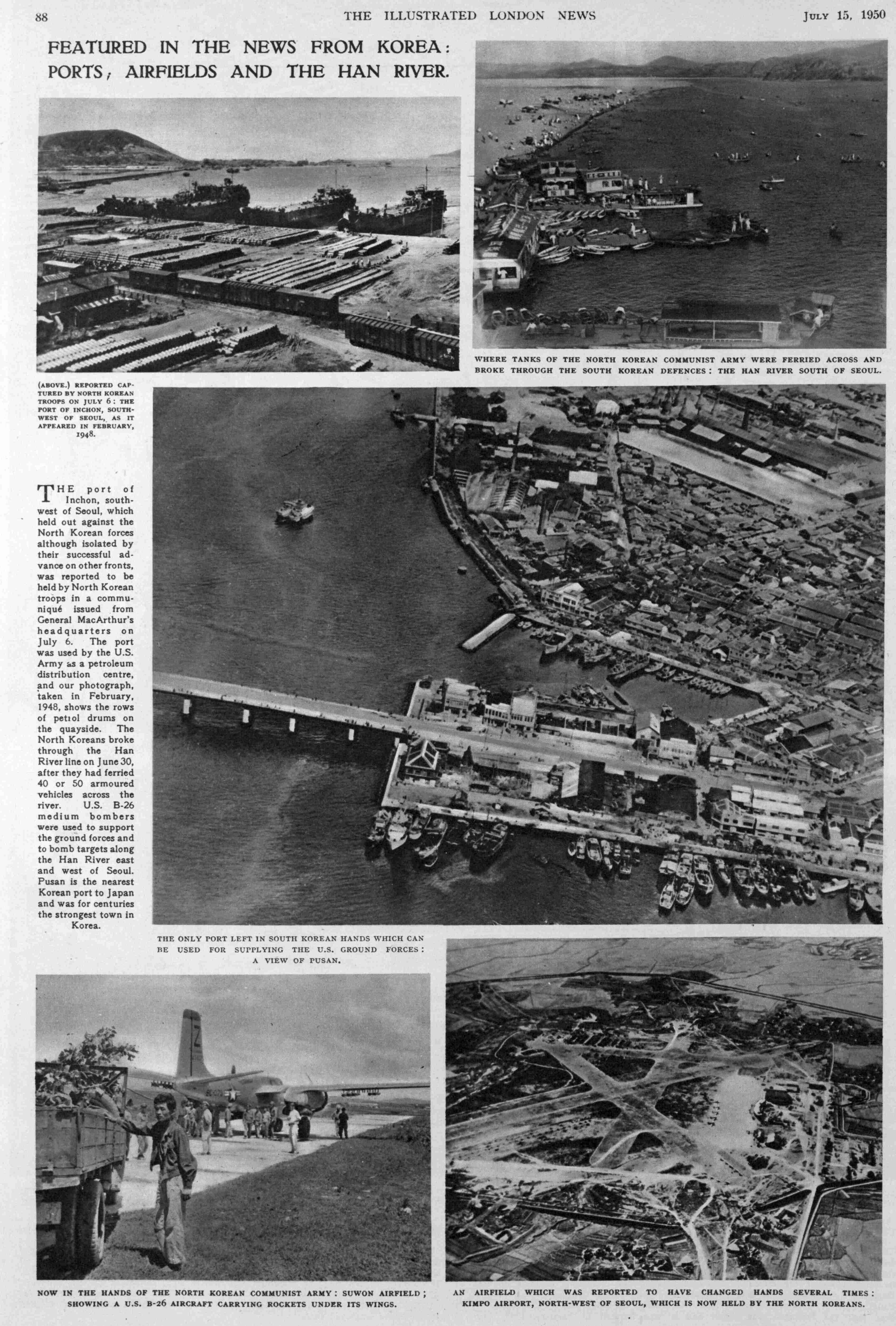
The Illustrated London News (ILN) extensively covered the Korean War through its reporting and illustrations.
As a prominent illustrated newspaper with a strong focus on news and current events, the ILN provided its readers with visual insights into various aspects of the conflict.
The magazine featured articles, photographs, and illustrations depicting the war's key events, battles, and the involvement of different nations, including British and Commonwealth forces.
The ILN covered not only military aspects but also the impact of the war on civilians, diplomatic developments, and the broader geopolitical context.
During this period, the ILN used its pages to convey the realities of the Korean War to its readership, offering a visual narrative that complemented traditional news reporting.
The magazine played a crucial role in keeping the public informed about global events, and its coverage of the Korean War contributed to shaping public perceptions of the conflict.
If you have specific questions about the ILN's coverage of certain aspects of the Korean War, feel free to ask, and I'll do my best to provide relevant information.

The casualty figures for British and Commonwealth forces during the Korean War are as follows:
Total Casualties: Approximately 1,078 British soldiers lost their lives during the Korean War.
Wounded: The number of British soldiers wounded in action was over 2,600.
These figures represent the human cost of the British involvement in the Korean War.
It's important to note that casualty figures may vary depending on different sources, and the numbers provided here are approximate.
The Korean War was a challenging and deadly conflict with significant human and geopolitical consequences.
During the Korean War, several British Army regiments and units were actively involved in the conflict as part of the British Commonwealth Forces Korea (BCFK).
The BCFK included troops from the United Kingdom, Canada, Australia, New Zealand, India, and other Commonwealth nations.
Here are some of the British regiments that were primarily involved in the Korean War:
Royal Artillery:
Artillery units provided crucial firepower support, including field artillery and anti-aircraft artillery.
Royal Engineers:
Engineer units were responsible for tasks such as constructing fortifications, repairing infrastructure, and maintaining communication lines.
Royal Signals:
Signals units played a vital role in ensuring effective communication between different elements of the British and Commonwealth forces.
Royal Tank Regiment:
Armored units, including tanks, were deployed to support ground operations.
The Gloucestershire Regiment:
The Glosters, as part of the British 29th Infantry Brigade, played a significant role in the early stages of the war and were involved in the Battle of Imjin River.
The Royal Northumberland Fusiliers:
This regiment was part of the British 29th Infantry Brigade and participated in the defense of the Imjin River.
The King's Own Scottish Borderers:
Another regiment within the 29th Infantry Brigade, they were involved in various engagements during the conflict.
Royal Army Medical Corps:
Medical units provided essential healthcare and support for wounded soldiers.
These are just a few examples, and various other units from different branches of the British Army were also part of the overall Commonwealth effort in the Korean War.
The British forces operated under the command of the United Nations, contributing to the collective effort to repel the North Korean invasion and defend South Korea.


A lot more to come.
Next
.
.
.
.
.
Click here for the NEXT year of The Illustrated London News
Click here for the PREVIOUS year of The Illustrated London News